Work at the intersection of people and products.
Play
All 9 gamesFor anyone making something.
Whether you’re making an app, a drink, a bakery, a club at school or a whole company.
Come and play if
- You have an idea and you can’t tell yet if anyone wants it.
- You made something, it works, and nobody uses it.
- People keep telling you what they want, and you still don’t know what to build.
- Everyone is busy and the thing still isn’t moving.
- You want to get better at this by doing it.
- You want something to run with your team that isn’t another slide deck.
- Cut through the noiseUse this when there’s an idea on the table and nobody has agreed what problem it actually solves.8–12 min
- The power-up shopUse this when you’re thinking about what your team can build, and what powerful thing to put in somebody’s hands.8–12 min
- Two truths and a roadmapUse this when you’re writing next quarter’s plan and it’s turning into a list of things to build.5 min
- Faster horsesUse this before you talk to customers, or after a round of conversations that only gave you a wish list.5 min
- The wrong answer museumUse this on a zero-to-one build or a pivot, while you’re still defining the solution you’ll bring to market.6 min
Strategy and execution
The hardest work is connecting strategy and execution.
Most of the places it breaks are human
- Nobody owns keeping everyone aligned.
- Incentives and priorities pull in different directions.
- Teams work in silos, unaware of what the others are doing.
- The people deciding sit far from the people doing the work.
- The goals are hard to find or understand.
- Updates come in the wrong form.
- Nobody runs a regular rhythm for getting aligned.
A few things I’ve learned
All of them- When code gets cheap
The part that doesn’t get cheaper
As AI makes building software cheaper, the advantage moves to deciding what to build and settling the open questions around it. The teams that move fastest bring a proposal to each of those questions.
Read - When no-code isn’t
Business users are experts at their own subject
The person configuring a no-code tool is usually already an expert in her own subject. The tool works when it asks about that subject in her words and leaves the engineering to the system.
Read - How people actually use software
Designing for humans
Good design starts from how people actually meet software, in the middle of a busy day with whatever attention they have left.
Read
Point of view
Safety unlocks revenue and scale.
On the other side of it
ProgressPerformancePlay
In the product, and in the team.
- Psychological safety People can say they don’t know, and nothing bad happens.
- Digital safety Nobody can use the product to get at anyone.
- Data safety What people hand over isn’t turned against them.
- Physical safety Bodies aren’t in danger.
Play
All 9 gamesGames about trust & safety, governance, risk and compliance.
If you’re building a store, an app, a place to stay or a way to send money, you’re also building all the ways it can be used to hurt someone.
What the words mean
- Trust and safety
- Making sure your thing can’t be used to hurt someone.
- Governance
- Deciding who gets to make which call.
- Risk
- Knowing what could go wrong before it does.
- Compliance
- Following the rules, and being able to show that you did.
Come and play if
- You’re building something that two strangers will both use.
- You keep telling people a rule and they keep skipping it.
- You have to prove you did the right thing, and you can’t.
- Something went wrong and everyone is hunting for who to blame.
- You’re about to add a rule and you don’t know if it’ll work.
- You want to get better at this by doing it.
- What you can’t seeUse this to think about what protects everybody, when you know almost nothing about any of them.6–8 min
- The next moveUse this when your product lets one person find or reach another person.8–12 min
- What are you actually building?Use this at the start of anything you build, before the shape of it is decided.8 min
- What the screen saidUse this when your product is about to tell people something they’ll act on, and a model is doing the telling.10–12 min
Selected work
All samplesProactive risk detection for child safety online
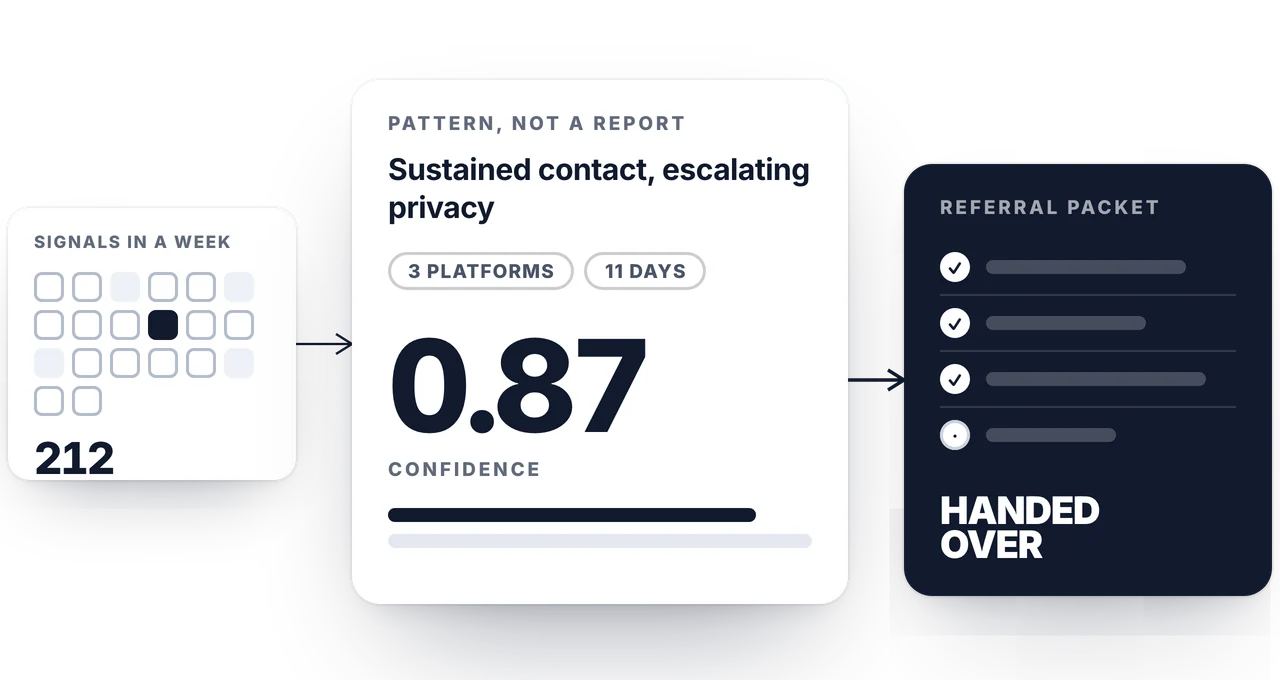
Finding harm before anybody reported it, then getting it to somebody who could act.
Program deployed · intervention and referral pathways operatingA point solution, transformed into an AI‑native low‑code enterprise platform
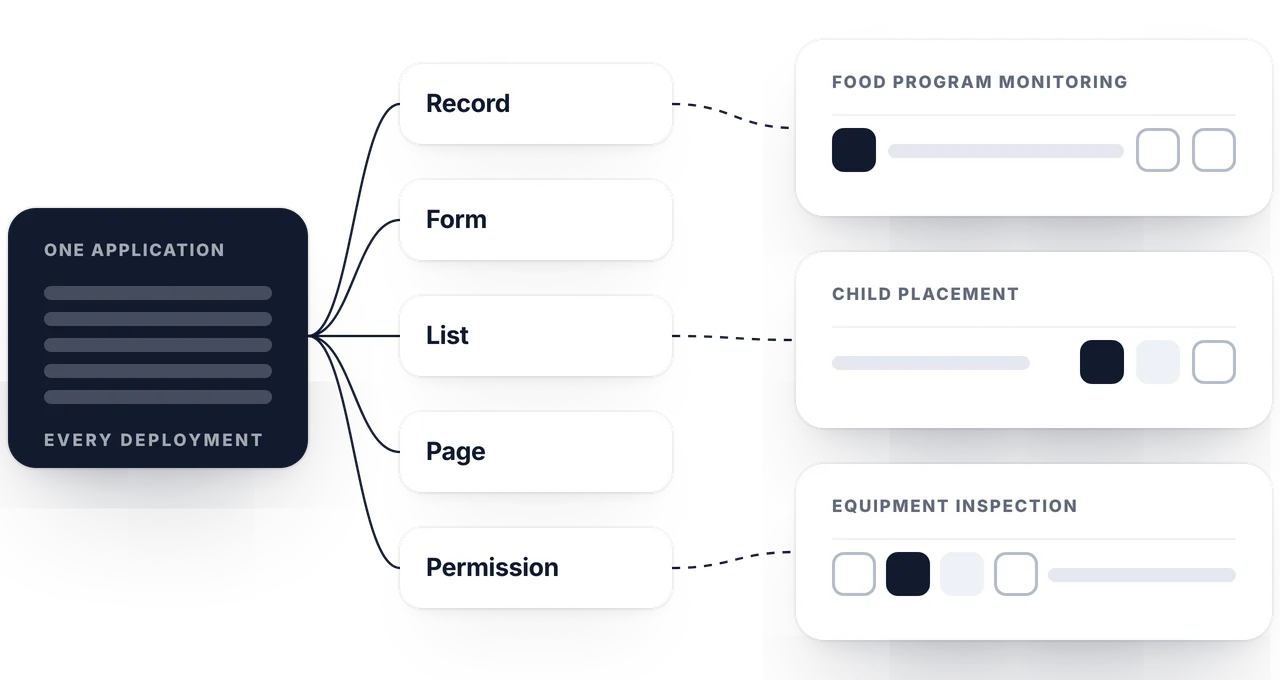
Software built for environmental, health and safety teams, opened up into a platform any regulated team can configure.
Deployed across eight sectors, each configuring its own instanceAn AI agent for compliance workflows
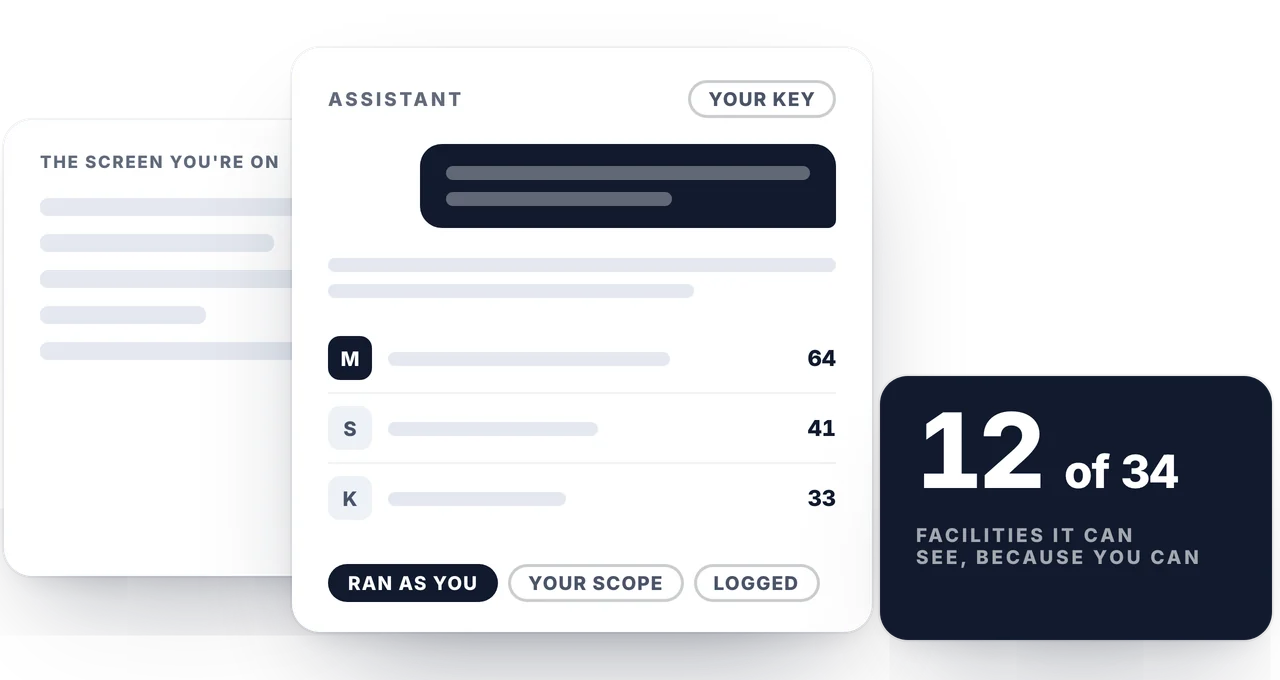
An assistant inside the product that can look things up and change them, limited to the things the person asking is allowed to touch.
In production on each customer’s own model keys, every tool call loggedAn AI demo generator to scale enterprise sales
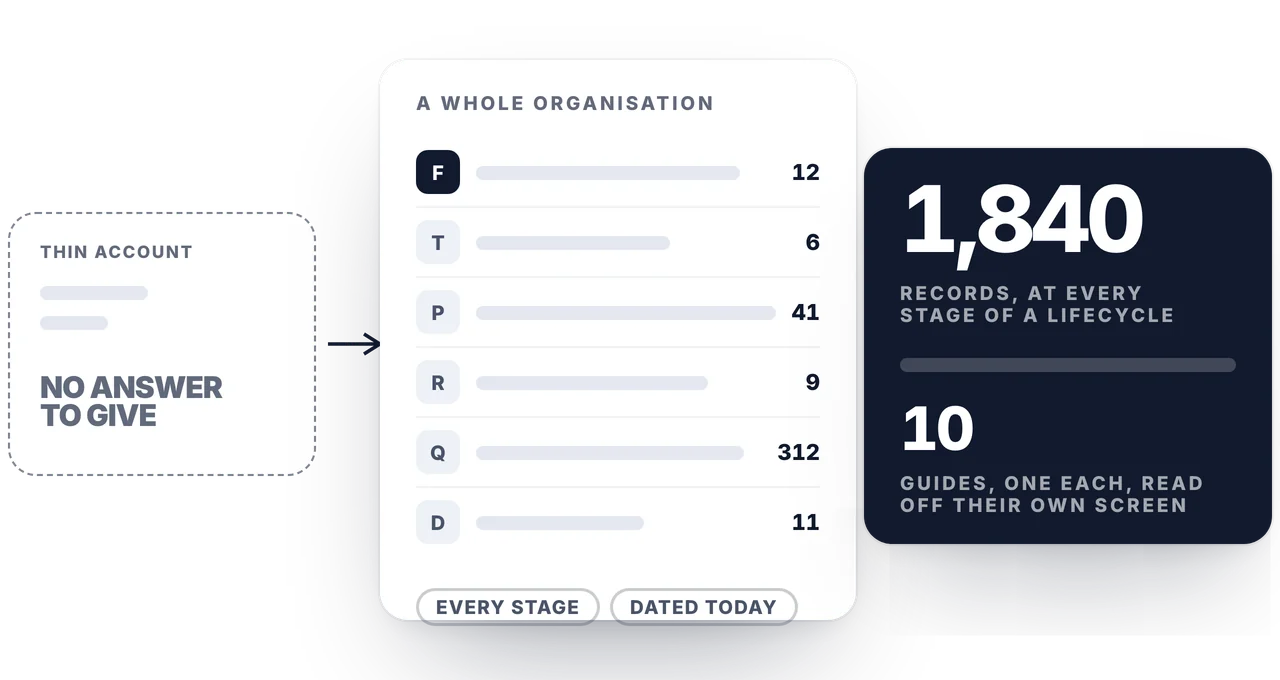
A pipeline that builds a complete working account, then writes each salesperson a guide from the screens it rendered.
A complete account, plus a per-person guide read off the rendered screens
Speaking · talks and workshops
See the topics40 min, or a workshop
Our users do not arrive in their best state
Product and design teams, and anyone who writes a persona
Read it45 min, or a workshop
What are you actually building?
Anyone shipping anything, technical or not
Read it30–45 min, or a workshop
What was in the way
Anyone whose rollout isn’t being used
Read it30–45 min
What your users are up against
Founders, leaders and product teams
Read it
- BuyersShowing a cautious buyer where the product fits in the work they already do
- FeedbackTurning a pile of feedback into a plan the team can explain
- DecisionsGetting decisions moving when they all wait on one person
- AIMaking AI hold up when the buyer’s own leadership asks hard questions